
Jong Yoon Jeon
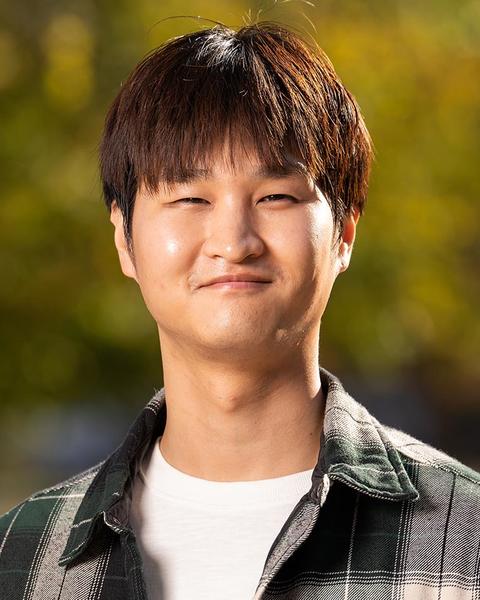
Jong Yoon Jeon integrates genomic and geographic information to understand how threatened species respond to environmental change and strengthen their conservation assessments.
Jong Yoon Jeon is a conservation scientist working at the intersection between population genomics, landscape ecology, and biodiversity assessment.
Jong Yoon earned a BS in Biological Sciences from Seoul National University, where his early fieldwork on wildlife corridors and salamander ecology first shaped his commitment to applied conservation. He went on to receive an MS in Veterinary Biomedical Sciences, also from Seoul National University, investigating the population genetic structure and phylogeography of Karsenia koreana, the only Asian plethodontid salamander. He completed his PhD in Forestry and Natural Resources at Purdue University, where he pioneered the application of pangenomic approaches to conservation biology — developing short-read pangenome workflows, detecting climate-driven local adaptation in wild birds, and advancing the use of genomic diversity metrics in formal species threat assessments. His doctoral work was recognized with the inaugural Louis Bernatchez Memorial Prize by Evolutionary Applications.
As an Environmental Fellow at Harvard, Jong Yoon works with Dr. Scott Edwards and Dr. Jeannine Cavender-Bares to develop the Adaptation Lag Index (ALI) — a first-of-its-kind tool that quantifies whether species are evolving quickly enough to keep pace with climate warming. By integrating morphological, genomic, and ecological data from historical and modern bird specimens, this work aims to bridge the gap between evolutionary biology and conservation policy, ultimately enabling proactive, evolution-informed risk assessments under the Endangered Species Act and IUCN Red List frameworks.
Faculty Hosts: Scott Edwards and Jeannine Cavender-Bares, Faculty of Arts and Sciences